The Dehumidifier Experts
We are TheDehumidifierExperts, a site dedicated to providing humidity control tips and unbiased dehumidifier reviews. We have first-hand experience with the problems that high humidity can cause, and we want to help others avoid the same issues. We believe that everyone has the right to breathe clean air, and we are passionate about helping people achieve that goal. We hope that our tips and reviews will help you create a healthy, comfortable home.
1 Haiku Deck
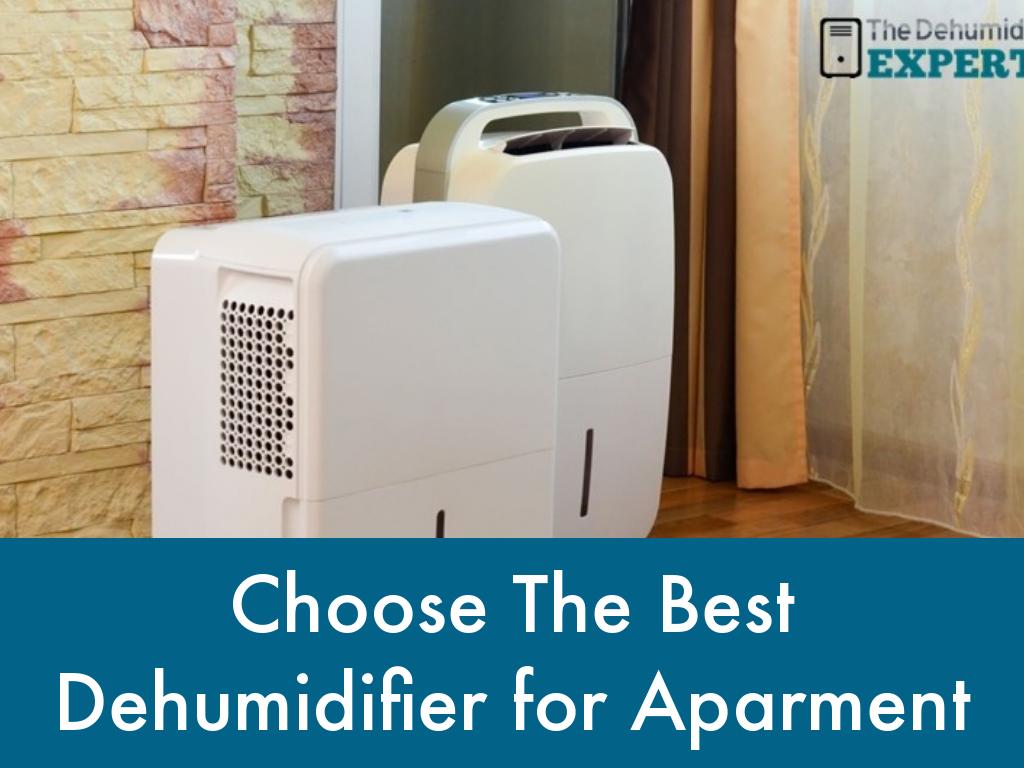
How to Make a Good Decision on Choosing The Right Dehumidifier for Your Apartment
1 Slide5 Views
How To
Dehumidifiers remove excess moisture from the air in your home or workplace to prevent it from causing damage. They're used in areas prone to high humidity, such as schools and sports venues. Dehumidifiers have many effective uses in the home; those using them at work reduce the spread of molds and mildew. When purchasing a dehumidifier for apartment (https://thedehumidifierexperts.com/best-dehumidifiers-for-apartments/), you must consider several factors. The most important is the capacity of the machine and the area it's to be used in. A user guide is also helpful when setting up a dehumidifier. This will help you avoid harmful consequences and ensure it's operating correctly.
Dehumidifiers use electric motors to remove excess moisture from the air by pulling water from the atmosphere. They work by creating a negative pressure that draws water through porous internal filters. This process takes place at a slow rate to prevent damage to the unit. High-capacity units have powerful compressors that reduce the rate of drawdown. They usually have an internal heat source, such as a gas or oil burner, which keeps the unit cool during operation. You can use a dehumidifier in any area prone to high humidity. They're especially helpful in basements, garages and closets that accumulate moisture from the air. Additionally, people living in northern climates find dehumidifiers useful for reducing their humidity issues during warmer seasons.
Normally installed in hallways or parts of your home prone to high humidity, dehumidifiers draw excess moisture from the air efficiently. They're usually situated near bedrooms where occupants are most likely to suffer from condensation problems due to high humidity levels. You can also use a dehumidifier in an area prone to mold or mildew growth, such as an attic or basement. Doing so prevents additional mold growth by reducing the amount of moisture present in these areas. Dehumidifiers also remove moisture from the isair that's already become damp; they're not effective at removing moisture from damp air. To do this, you must first increase the relative humidity level of the air before using a dehumidifier.
It's important to note that dehumidifiers do produce condensation on their own. Fortunately, this only happens if you don't heed safety precautions and run your machine continuously. To avoid condensation, you must stop your machine before it produces enough condensation to form a layer on its surface. In addition, be sure your unit is safely positioned so it doesn't come into contact with water - especially while it's running. If water enters your unit while operating, wipe down the exterior with a damp cloth and let it evaporate naturally through normal cycles of operation. If this doesn't work, discontinue use until you've corrected any safety hazards present in your setup.
Choosing the right dehumidifier for your needs is an important decision that'll boost your comfort level and wellness quickly. Depending on your needs, you can install one in your bedroom or other high-moisture areas of your home or workplace for optimal results. People living in humid climates find them useful for reducing excess moisture levels at times of the higher temperature and lower ozone levels. Dehumidify!