Versa Kumari
1 Haiku Deck

MBIU
1 Slide2 Views
Business
Safety is the top priority when running Mobile Biological Isolation Units (MBIUs). These devices are essential in many industries, such as healthcare and handling hazardous materials, and strict guidelines are needed to guarantee operator and public safety. Let's examine the fundamental safety procedures and industry best practices for adequately using MBIUs.
An explanation of MBIUs
Specialized units called Mobile Biological Isolation Units (MBIUs) contain and isolate biological risks. These units are employed in medical, research, and industrial contexts to properly transport and handle infectious diseases, poisonous drugs, and other hazardous items.
Frequently Used MBIUs
Field research in dangerous areas, managing biological hazards, and transporting patients with infectious diseases are just a few of the situations in which MBIUs are commonly used. Their adaptability makes them essential for preserving security and averting contamination.
Fundamental Safety Procedures
Standard operating procedures (SOPs), ensuring all equipment performs as intended, and keeping the unit clean and sterile are basic safety precautions for using MBIUs. To reduce danger, operators should be knowledgeable about these protocols.
Equipment for personal protection (PPE)
When using MBIUs, it is imperative to wear the proper PPE, which includes eye protection, gowns, gloves, and masks. The correct PPE can help shield operators from biological agents and dangerous materials.
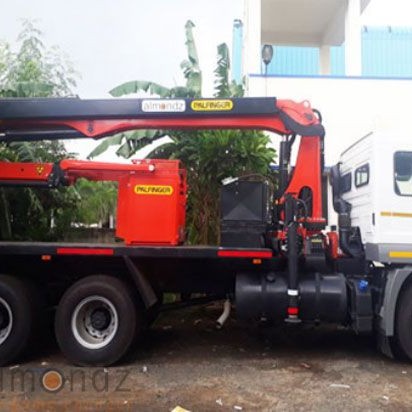
Ensuring safety and efficiency, a [mobile bridge inspection unit](https://www.almondz.com/mobile-bridge-inspection-unit.php "mobile bridge inspection unit") is crucial for thorough assessments and maintenance of bridge infrastructure.
Site Examining
Perform a comprehensive site examination to find any potential barriers or risks before operating an MBIU. Make sure the space is safe and appropriate for the unit's operation.
Equipment Inspected
Equipment inspections are necessary. This includes checking the MBIU for signs of wear and tear, ensuring all systems are up and running, and ensuring all safety features are present and working.
Techniques for Safe Operation
Safe operating procedures should be used when using an MBIU, such as avoiding sudden movements, going at a steady speed, and ensuring the device is balanced correctly. These procedures help avoid mishaps and guarantee efficient operation.
Protocols for Communication
Good communication is essential. Establish explicit guidelines for communication between team members to guarantee that everyone understands their roles and responsibilities. Use radios or other communication tools to maintain continuous communication.
Procedures for Emergencies: Recognizing Emergencies
Whether it's a medical emergency within the unit, an equipment malfunction, or a breach in containment, operators need to recognize problems quickly. Timely detection is essential for an efficient reaction.
Actions to Take in Case of Emergency
In an emergency, notify your team, protect the location, put containment measures in place, and, if required, call emergency services. A well-defined strategy can avert more dangers and save lives.
Schedules for Regular Maintenance
Maintaining MBIUs regularly is essential to their dependability and longevity. Make a timetable for routine inspections, cleanings, and servicing every component.
The Value of Inspections
Inspections are essential for catching problems before they develop into more significant ones. Examine everything thoroughly before and after each use and address any issues right away.
Programs for Certification and Training
Operators must undergo extensive training courses, including MBIU operation, maintenance, and emergency protocols. Training needs to be updated frequently to reflect the most recent developments in technology and safety procedures.
Qualifications
Verify that each operator has the necessary certification to handle MBIUs. Certification programs frequently incorporate both theoretical and practical evaluations to confirm proficiency and preparedness.
Safety Procedures for Dangerous Substances
Adhere to stringent safety precautions when handling hazardous materials, such as employing suitable containment techniques, preventing direct contact, and using specialist equipment for handling dangerous compounds.
Acceptable Disposal Methods
Hazardous material disposal must be done correctly to avoid contamination and environmental harm. Observe local laws and ordinances for the secure Disposal of these materials.
Reducing the Impact on the Environment
It is recommended that MBIUs be operated in a way that reduces their impact on the environment. This involves ensuring that no pollutants are released into the environment, managing waste properly, and utilizing eco-friendly materials whenever feasible.
For comprehensive details on the safety protocols and operations of MBIUs, go here to access the complete guide and resources.
Safe Disposal of Trash It is imperative that trash from MBIUs be disposed of safely. This entails utilizing facilities that can safely and effectively handle biological and hazardous waste and permitted disposal techniques.
Case Studies: Actual Events in Life
Analyzing actual MBIU instances can teach us important lessons. Examine the issues, how they were resolved, and what could have been done better to enhance safety procedures.
Knowledge Acquired
Safety and operating procedures can be improved by learning from prior failures and achievements. Staying up to date with safety regulations is essential.
Developments in MBIU Technologies
Technological advancements have greatly improved the functionality and safety of MBIUs. This includes improvements in communication tools, monitoring apparatus, and filtration systems.
Using Technology to Improve Safety
The safety and effectiveness of MBIUs can be considerably increased by including technology such as real-time monitoring, automated safety checks, and sophisticated filtration systems.
Industry Regulations for Regulatory Compliance
Respecting industry regulations is a must. These rules guarantee the MBIUs' safe operation and shield the public and operators from potential risks.
Making Sure There's Compliance
Conducting routine audits and reviews can guarantee adherence to all pertinent requirements. Maintaining compliance requires keeping abreast of changes to the law and best practices.
Typical Obstacles in MBIU Operations
Operating MBIUs involves several difficulties, including maintaining equipment, controlling dangerous contaminants, and guaranteeing operator safety. Effectively addressing these difficulties begins with their identification.
Practical Remedies
Intensive training, routine maintenance, and utilizing technology to improve efficiency and safety are some of the answers to these problems. Cooperation and ongoing development are also essential.
Strict attention to safety procedures, routine maintenance, and continuing training are necessary to operate MBIUs safely. By comprehending and implementing best practices, we can guarantee the safe and efficient usage of these vital units, safeguarding both operators and the general public.
Related Blogs
Comprehension Units for Mobile Bridge Inspection (MBIUs)
Conventional Approaches to Bridge Inspections
Introduction to Mobile Bridge Inspection Units: What They Are and How They Work