
Haiku Deck Superstar
3 Haiku Decks
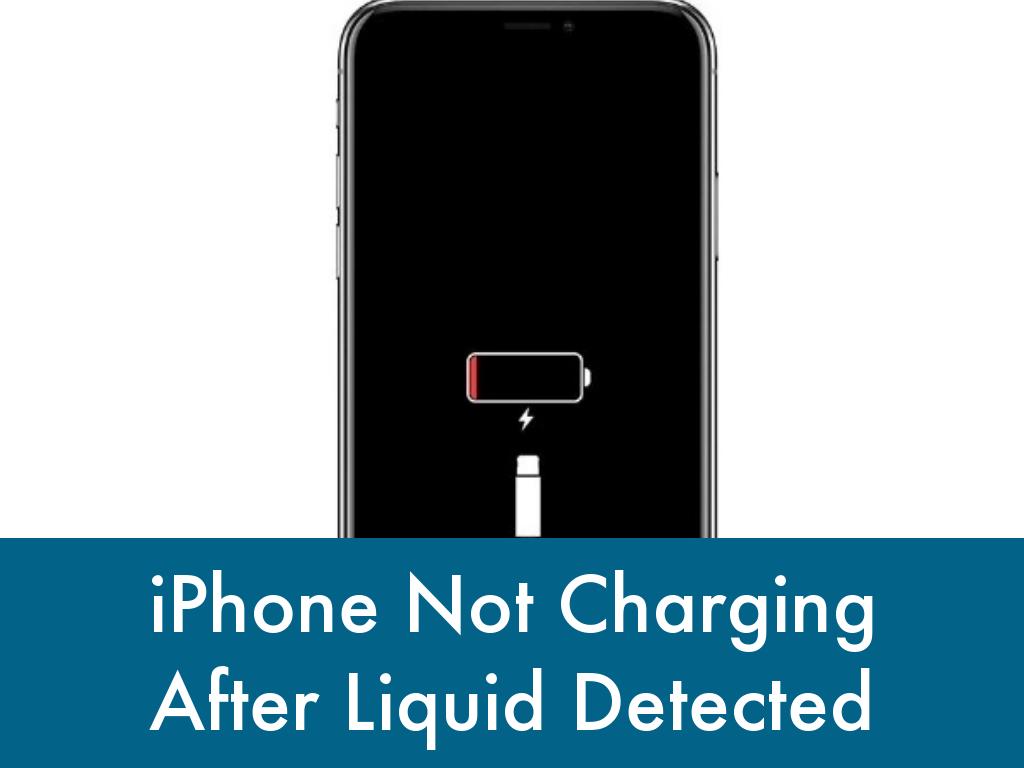
iPhone Not Charging After Liquid Detected: How to Fix It Safely
1 Slide30 Views1 Haifive
How To
When your iPhone suddenly shows a “Liquid Detected in Lightning Connector” alert and refuses to charge, it’s easy to panic. After all, you rely on your phone for everything—and now it won’t charge! The good news is that this warning is your iPhone’s way of protecting itself (and you) from potential damage. In most cases, a few careful steps can solve the problem.
https://www.intensedebate.com/people/gemmabyrn https://www.zillow.com/profile/isabelpoidevin https://www.kongregate.com/accounts/sarahhawken https://nationaldppcsc.cdc.gov/s/profile/0053d0000040TsJAAU https://www.deviantart.com/evahuffer/ https://www.cbmstuff.com/forum/member.php?action=profile&uid=9551 https://about.me/alyssadalley https://devnet.kentico.com/users/536832/ella-mitford https://about.me/gloriamts/
Let’s break down why this happens and how you can safely get your iPhone charging again.
Why Your iPhone Displays the “Liquid Detected” Alert
Apple designed modern iPhones with protective features to prevent electrical damage from moisture. When water, sweat, or any other liquid reaches the Lightning port or the cable connector, internal sensors detect it and stop charging automatically. This helps avoid short circuits or corrosion inside your phone.
Common causes include:
Exposure to rain, coffee spills, or bathroom moisture.
Sweaty pockets during workouts.
Using the phone near sinks, pools, or in humid environments.
Charging too soon after cleaning the phone with a damp cloth.
Even small amounts of moisture can trigger the warning, so don’t assume your phone is seriously damaged.
What to Do When You See the Alert
Here’s what you should—and shouldn’t—do if your iPhone refuses to charge due to liquid detection:
- Unplug the charger immediately.
Disconnect your Lightning or USB-C cable right away to prevent electrical damage.
- Do not use heat or compressed air.
Avoid using a hair dryer, heater, or blowing directly into the port; this can push moisture deeper inside or damage internal seals.
- Gently remove surface moisture.
If there’s visible water, tap the phone lightly with your hand while keeping the connector facing downward. Use a soft, lint-free cloth to wipe around the port.
- Let it air-dry.
Place your iPhone upright in a dry, room-temperature place. Airflow helps moisture evaporate naturally. Wait at least 30 minutes before trying to charge again, though drying might take several hours depending on the environment.
- Try wireless charging.
If your iPhone supports MagSafe or Qi wireless charging, use a wireless charger instead. Make sure the back of your phone is dry before you place it on the pad.
- Use emergency override (only in urgent cases).
If you need to charge immediately, your iPhone may offer an option called “Emergency Override.” This forces charging despite moisture detection. However, use this only if absolutely necessary—it may risk permanent damage if the port is still wet.
https://experienceleaguecommunities.adobe.com/t5/user/viewprofilepage/user-id/18155757 https://experienceleaguecommunities.adobe.com/t5/user/viewprofilepage/user-id/18155757/contributions/all?filter=authored https://experienceleaguecommunities.adobe.com/t5/user/viewprofilepage/user-id/18155757/tab/trophy-case https://experienceleaguecommunities.adobe.com/t5/user/viewprofilepage/user-id/18155757?filter=commented https://www.deviantart.com/rkiakarel https://www.walkscore.com/people/758976972750/aernout-bakkali https://infinityguide.theblog.me/posts/58339241 https://nationaldppcsc.cdc.gov/s/profile/0053d0000040OcaAAE https://community.fabric.microsoft.com/t5/user/viewprofilepage/user-id/1505663
How to Prevent Future Liquid Alerts
Water resistance doesn’t mean waterproof. Here are a few ways to avoid seeing that liquid alert again:
Keep your Lightning or USB-C port covered when near water or humid environments.
Avoid charging while the phone or cable feels damp.
Store your iPhone in a dry bag or moisture-resistant pouch if you’re outdoors.
Regularly check your charging accessories—wet or corroded cables can also trigger the warning.
A little prevention goes a long way in keeping your phone safe and charging smoothly.
When to Contact Apple Support If:
The alert keeps appearing after your phone has been completely dry for several hours,
Charging still doesn’t start even though no moisture is visible, or
You see corrosion or discoloration in the port,
then it’s best to contact Apple Support or visit an authorized service center. Persistent issues might mean internal moisture or damage that needs professional attention.
Final Thoughts
Seeing “Liquid Detected” on your iPhone can be alarming, but it’s one of those times when your device is actually protecting you. Patience and proper care usually fix the issue without a trip to the repair shop. Just remember: disconnect, dry, and wait. Once the moisture is gone, your iPhone will be back to normal—charged, ready, and safe to use.

iPhone Not Charging After Update - Fix the Issue with Ease
1 Slide21 Views2 Haifives
How To
If your iPhone is not charging after an update, there are several troubleshooting steps you can take to resolve the issue. Here are some common fixes:
https://medium.com/@themanual/iphone-17-manual-pdf-how-do-i-download-it-e011313c603e https://terminklick.stuve.fau.de/poll/iTn7MGRt6Y/ https://portfolium.com/entry/how-to-download-iphone-17-pro-max-user-guide-pdf https://exchange.prx.org/series/58269-download-iphone-17-pro-max-manual-pdf https://doc.clickup.com/9018014559/d/8cr7yuz-538/i-phone-17-pro-user-manual-pdf-howto-downloadfor-free https://www.divephotoguide.com/user/iphone17manualpdf https://www.fundable.com/maritte-helling https://www.longisland.com/profile/arianelu https://www.haikudeck.com/iphone-17-quick-start-guide-download-how-to-presentation-19386ca089 https://community.adobe.com/t5/user/viewprofilepage/user-id/47080691
1. Check the lightning cable and USB adapter
Inspect the charging cable: Look for any visible damage or fraying on the cable. Damaged cables can cause connection issues, leading to charging problems. If you find any damage, replace the cable with a new one.
Check the Power Adapter: Ensure that it is an Apple-certified adapter, as using non-certified adapters can result in charging problems. Try using a different cable and adapter to determine if the issue is with your accessories or your iPhone.
2. Clean the Lightning Port
- **Power off your iPhone. Gently remove any debris from the charging port. Once the charging port is clean, try charging your iPhone again to see if the issue is resolved.
3. Try another power source
- Charge your iPhone using a different power source, such as a wall adapter or your computer. This can help identify if the issue is with your charger or the iPhone itself.
4. Force-restart your device
- Press and quickly release the Volume Up button.
- Press and quickly release the Volume Down button. Press and hold the side button until you see the Apple logo, then release the button.
https://www.intensedebate.com/people/gemmabyrn https://www.zillow.com/profile/isabelpoidevin https://www.kongregate.com/accounts/sarahhawken https://nationaldppcsc.cdc.gov/s/profile/0053d0000040TsJAAU https://www.deviantart.com/evahuffer/ https://www.cbmstuff.com/forum/member.php?action=profile&uid=9551 https://about.me/alyssadalley https://devnet.kentico.com/users/536832/ella-mitford https://about.me/gloriamts/
5. Update iOS
- Tap Settings > General > Software Update. If an update is available, follow the on-screen instructions to download and install it.
6. Disable optimized battery charging and clean energy charging
- Go to Settings > Battery > Battery Health & Charging. Ensure that both optimized battery charging and clean energy charging are turned off.
7. Reset Your iPhone Settings
- Go to Settings > General > Transfer or Reset iPhone.
- Select Reset. Tap Reset All Settings. You will need to enter your passcode and confirm.
8. Restore Your iPhone From a Backup
- Connect your iPhone to a Mac or PC, and click the Restore button within iTunes or Finder. Follow the on-screen instructions to restore your iPhone from a backup.
https://experienceleaguecommunities.adobe.com/t5/user/viewprofilepage/user-id/18155757 https://experienceleaguecommunities.adobe.com/t5/user/viewprofilepage/user-id/18155757/contributions/all?filter=authored https://experienceleaguecommunities.adobe.com/t5/user/viewprofilepage/user-id/18155757/tab/trophy-case https://experienceleaguecommunities.adobe.com/t5/user/viewprofilepage/user-id/18155757?filter=commented https://www.deviantart.com/rkiakarel https://www.walkscore.com/people/758976972750/aernout-bakkali https://infinityguide.theblog.me/posts/58339241 https://nationaldppcsc.cdc.gov/s/profile/0053d0000040OcaAAE https://community.fabric.microsoft.com/t5/user/viewprofilepage/user-id/1505663
Additional Tips
Check your battery health under Settings > Battery > Battery Health & Charging.
Use a reliable and certified charging cable and adapter.
Download and install AnyFix to 1-click fix all system issues after the iOS 17 update, including iPhone/iPad charging issues.
By following these steps, you should be able to resolve the iPhone not charging issue after an update. If none of these solutions work, it may be necessary to contact Apple Support for further assistance.

Samsung Model Number Lookup: Uncover the Secrets Behind Your Samsung
1 Slide36 Views6 Haifives
Education
Samsung model numbers are a crucial part of identifying and understanding your Samsung device. These numbers are used to distinguish between different models, variants, and regions of Samsung devices.
Each model number is unique and contains valuable information about the device's specifications, features, and compatibility. Understanding Samsung model numbers is essential for various purposes, including troubleshooting, upgrading, and purchasing accessories.
Why is Samsung Model Number Lookup Important?
Knowing your Samsung model number is vital for several reasons. Firstly, it helps you identify the correct software updates and firmware for your device.
This ensures that you receive the latest security patches and feature enhancements.
Secondly, the model number determines the compatibility of your device with certain accessories, such as cases, headphones, and charging cables.
Additionally, the model number can help you troubleshoot issues with your device, as it provides valuable information about the device's specifications and features.
How to Find the Model Number on Your Samsung Device
Finding the model number on your Samsung device is a straightforward process. Here are the steps to follow:
Check the Packaging: The model number is usually printed on the packaging of your Samsung device. Check the box, manual, or any other documentation that came with your device.
Check the Device Itself: The model number can also be found on the device itself. On most Samsung devices, you can find the model number on the back or bottom of the device, usually near the charging port or SIM card slot.
Check the Settings: On newer Samsung devices, you can find the model number in the settings menu. Go to Settings > About Device > Model Number.
Decoding Samsung Model Numbers: What Do They Mean?
Samsung model numbers typically consist of a combination of letters and numbers. The model number can be broken down into several parts, each providing specific information about the device. Here's a breakdown of the common components of a Samsung model number:
First Part: This part usually indicates the device type, such as a smartphone (e.g., SM), tablet (e.g., GT), or smartwatch (e.g., SM-R).
Second Part: This part typically represents the device's generation, such as the Galaxy S series (e.g., S21) or the Galaxy Note series (e.g., Note 20).
Third Part: This part often indicates the device's region or carrier, such as the United States (e.g., T-Mobile) or Europe (e.g., Vodafone). Fourth Part: This part usually represents the device's specific variant, such as a Wi-Fi only model or a model with a specific storage capacity.
Differentiating Between International and US Model Numbers
Samsung model numbers can vary depending on the region and carrier. International model numbers are usually denoted by a "G" or "I" prefix, while US model numbers are denoted by a "T" or "A" prefix. For example, the Samsung Galaxy S21 Ultra International model number is SM-G998B, while the US model number is SM-G998U.
Samsung Model Number Lookup Tools and Websites
There are several online tools and websites that can help you look up your Samsung model number. Some popular options include:
Samsung's Official Website: Samsung's official website often provides detailed information about different models, including their specifications and features.
Samsung Support: Samsung's support website allows you to enter your model number to find relevant information, such as software updates and troubleshooting guides.
Online Forums: Online forums and communities dedicated to Samsung devices often have extensive databases of model numbers and their corresponding specifications.
Common Misconceptions About Samsung Model Numbers
There are several common misconceptions about Samsung model numbers that can lead to confusion and frustration. Here are a few examples:
Misconception 1: Model Numbers Are the Same for All Regions: This is not true. Samsung model numbers can vary significantly depending on the region and carrier.
Misconception 2: Model Numbers Determine Compatibility: While model numbers can affect compatibility, they are not the only factor. Other factors, such as software updates and firmware, can also impact compatibility.
Misconception 3: Model Numbers Are Not Important: This is not true. Knowing your Samsung model number is crucial for troubleshooting, upgrading, and purchasing accessories.
Tips for Accurate Samsung Model Number Lookup
To ensure accurate Samsung model number lookup, follow these tips:
Double-Check the Model Number: Always double-check the model number to ensure accuracy.
Use Official Resources: Use official Samsung resources, such as their website or support pages, to look up your model number.
Avoid Third-Party Sources: Avoid using third-party sources or unverified websites to look up your model number, as they may provide incorrect information.
Troubleshooting Using Samsung Model Number Lookup
Samsung model number lookup can be a powerful tool for troubleshooting issues with your device. Here are some steps to follow:
Identify the Issue: Identify the specific issue you are experiencing with your device.
Look Up the Model Number: Look up your Samsung model number using the methods described above.
Check the Specifications: Check the specifications of your device to see if they match the issue you are experiencing.
Check for Software Updates: Check if there are any software updates available for your device.
Contact Samsung Support: If the issue persists, contact Samsung support for further assistance.
Conclusion: Uncovering the Secrets Behind Your Samsung Device
In conclusion, understanding Samsung model numbers is crucial for identifying and troubleshooting issues with your Samsung device. By knowing your model number, you can ensure that you receive the correct software updates and firmware, and you can troubleshoot issues more effectively.
Additionally, knowing your model number can help you purchase the right accessories and ensure compatibility with other devices. By following the tips and guidelines outlined in this article, you can uncover the secrets behind your Samsung device and get the most out of your device.
https://medium.com/@themanual/iphone-17-manual-pdf-how-do-i-download-it-e011313c603e https://terminklick.stuve.fau.de/poll/iTn7MGRt6Y/ https://portfolium.com/entry/how-to-download-iphone-17-pro-max-user-guide-pdf https://exchange.prx.org/series/58269-download-iphone-17-pro-max-manual-pdf https://doc.clickup.com/9018014559/d/8cr7yuz-538/i-phone-17-pro-user-manual-pdf-howto-downloadfor-free https://www.divephotoguide.com/user/iphone17manualpdf https://www.fundable.com/maritte-helling https://www.longisland.com/profile/arianelu https://www.haikudeck.com/iphone-17-quick-start-guide-download-how-to-presentation-19386ca089 https://community.adobe.com/t5/user/viewprofilepage/user-id/47080691
https://experienceleaguecommunities.adobe.com/t5/user/viewprofilepage/user-id/18155757 https://experienceleaguecommunities.adobe.com/t5/user/viewprofilepage/user-id/18155757/contributions/all?filter=authored https://experienceleaguecommunities.adobe.com/t5/user/viewprofilepage/user-id/18155757/tab/trophy-case https://experienceleaguecommunities.adobe.com/t5/user/viewprofilepage/user-id/18155757?filter=commented https://www.deviantart.com/rkiakarel https://www.walkscore.com/people/758976972750/aernout-bakkali https://infinityguide.theblog.me/posts/58339241 https://nationaldppcsc.cdc.gov/s/profile/0053d0000040OcaAAE https://community.fabric.microsoft.com/t5/user/viewprofilepage/user-id/1505663
https://www.intensedebate.com/people/gemmabyrn https://www.zillow.com/profile/isabelpoidevin https://www.kongregate.com/accounts/sarahhawken https://nationaldppcsc.cdc.gov/s/profile/0053d0000040TsJAAU https://www.deviantart.com/evahuffer/ https://www.cbmstuff.com/forum/member.php?action=profile&uid=9551 https://about.me/alyssadalley https://devnet.kentico.com/users/536832/ella-mitford https://about.me/gloriamts/